

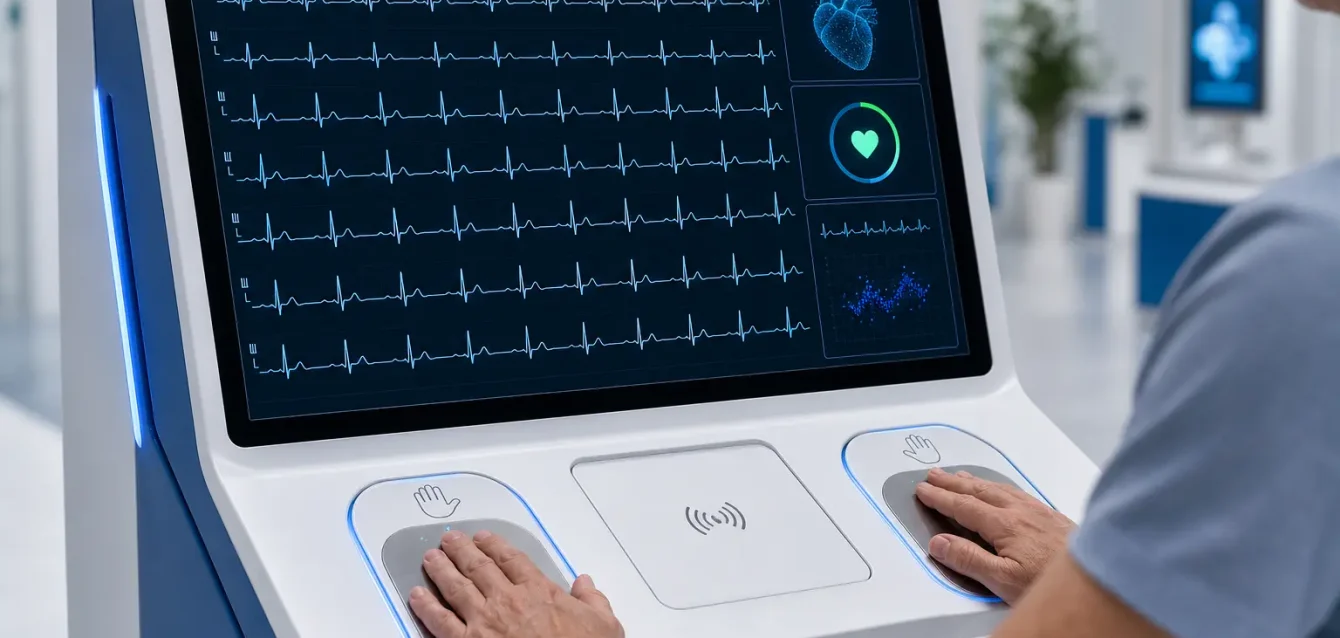
The Electrocardiogram in Modern Diagnostic Medicine Since its clinical introduction by Willem Einthoven in the early twentieth century, the electrocardiogram has remained one of the most diagnostically versatile and widely utilized tools in medicine. Its capacity to reveal cardiac rhythm disturbances,…
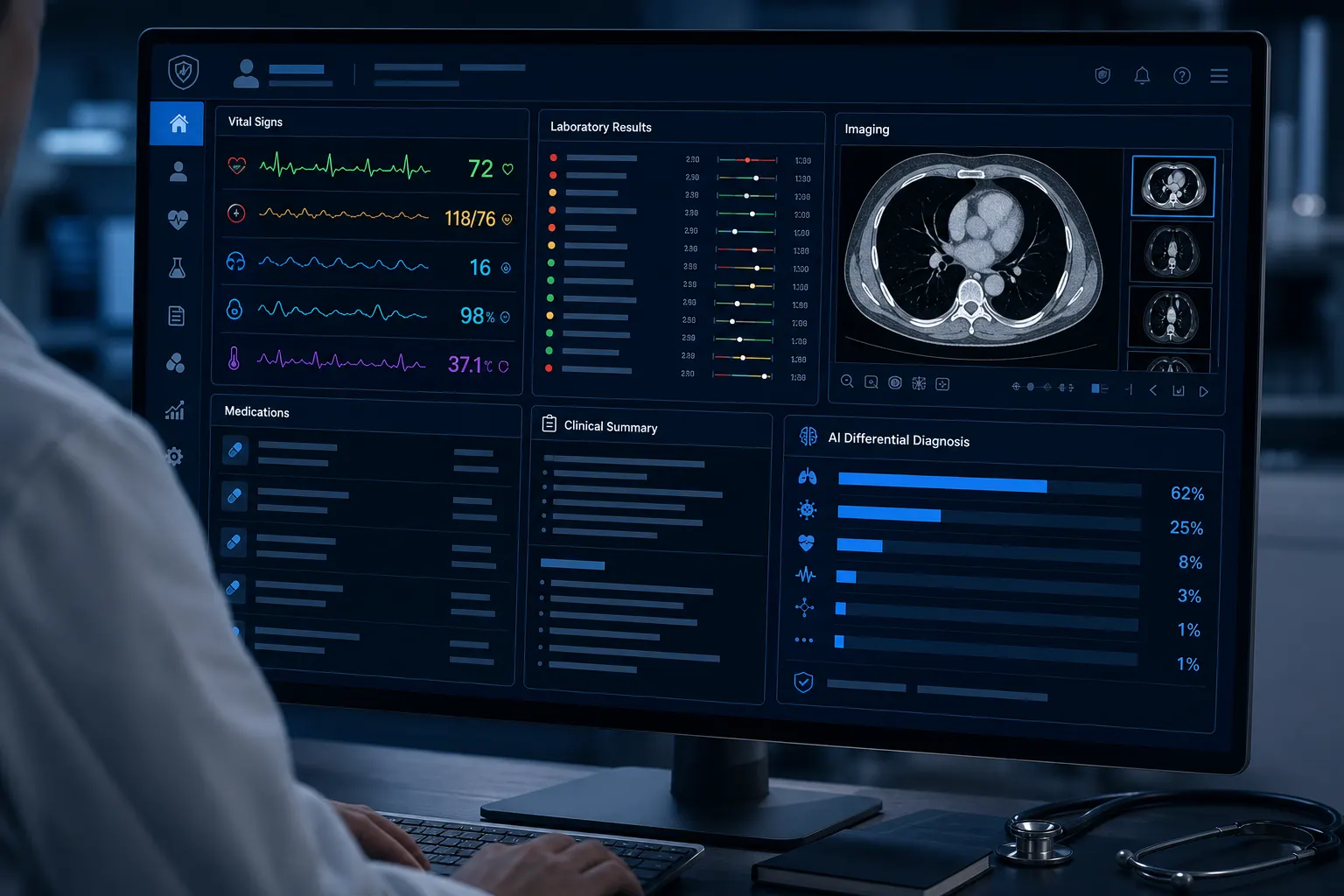
AI Diagnosis Support: Multi-Modal Data Fusion in Emergency Care
Accurate emergency diagnosis requires the simultaneous interpretation of vital signs, laboratory data, imaging findings, clinical history, and presenting symptoms. AI multi-modal data fusion platforms synthesise all of these inputs into a coherent differential diagnosis, reducing cognitive load and improving diagnostic accuracy.
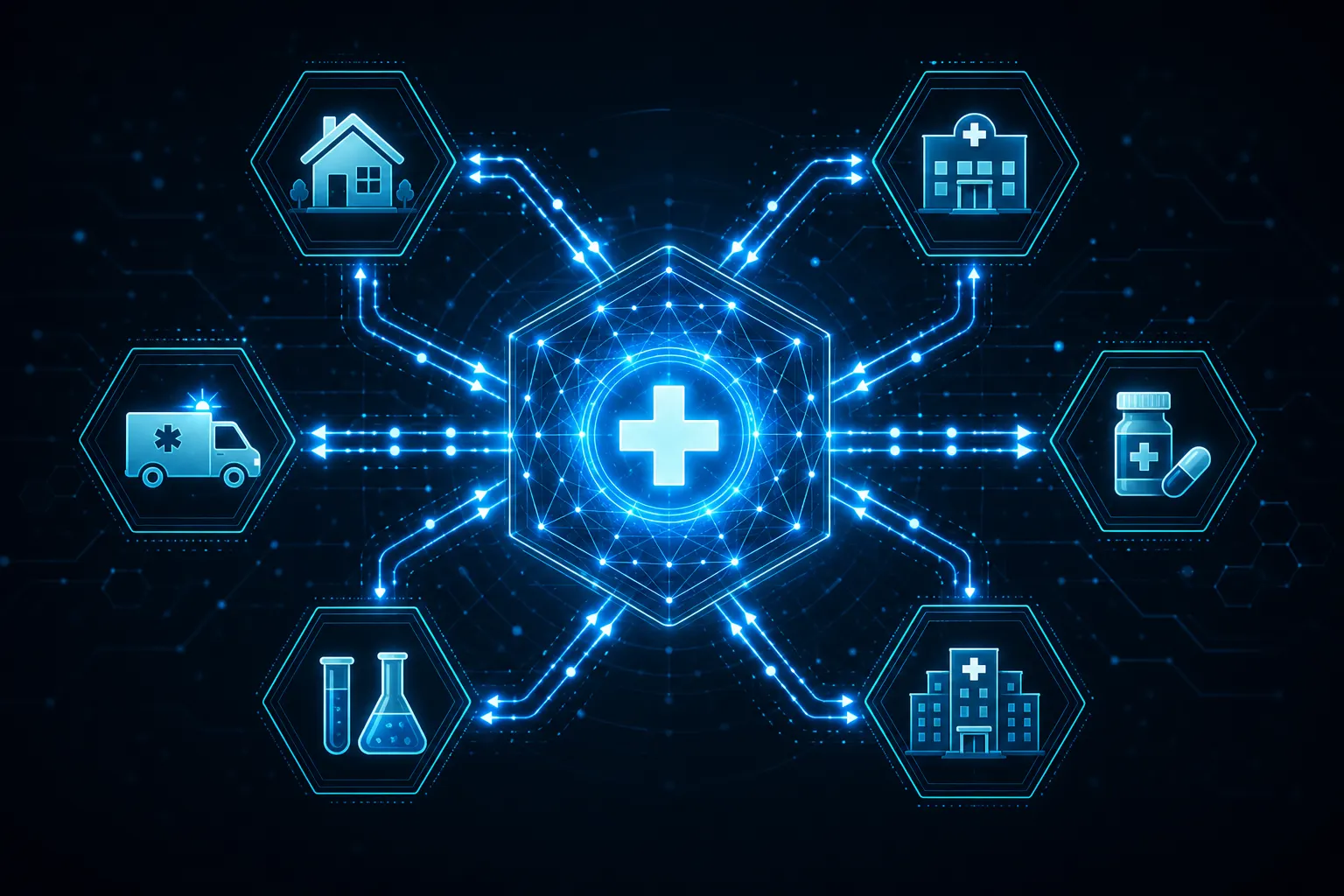
AI Care Coordination Across Home, Community, and Hospital
Effective care coordination across the home, community, and hospital settings requires real-time information exchange, AI-mediated handover intelligence, and a unified patient record that all care team members can access and contribute to. This is the operational architecture of the connected care future.
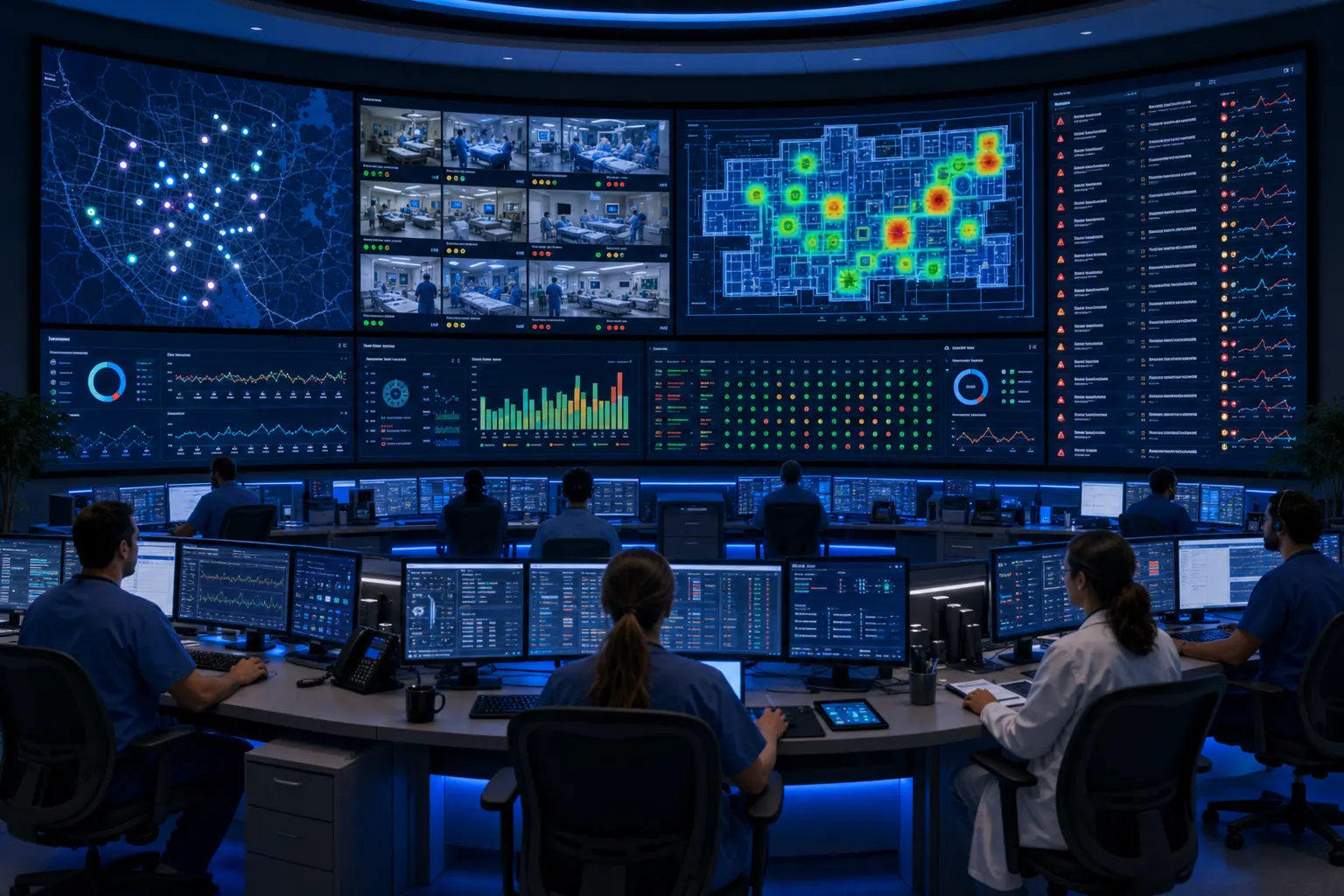
AI Hospital Command Centers: Orchestrating Modern Healthcare
AI-powered hospital command centers consolidate real-time operational intelligence across all clinical departments, enabling proactive decision-making that reduces bottlenecks, improves patient safety, and optimises resource utilisation at a system level.
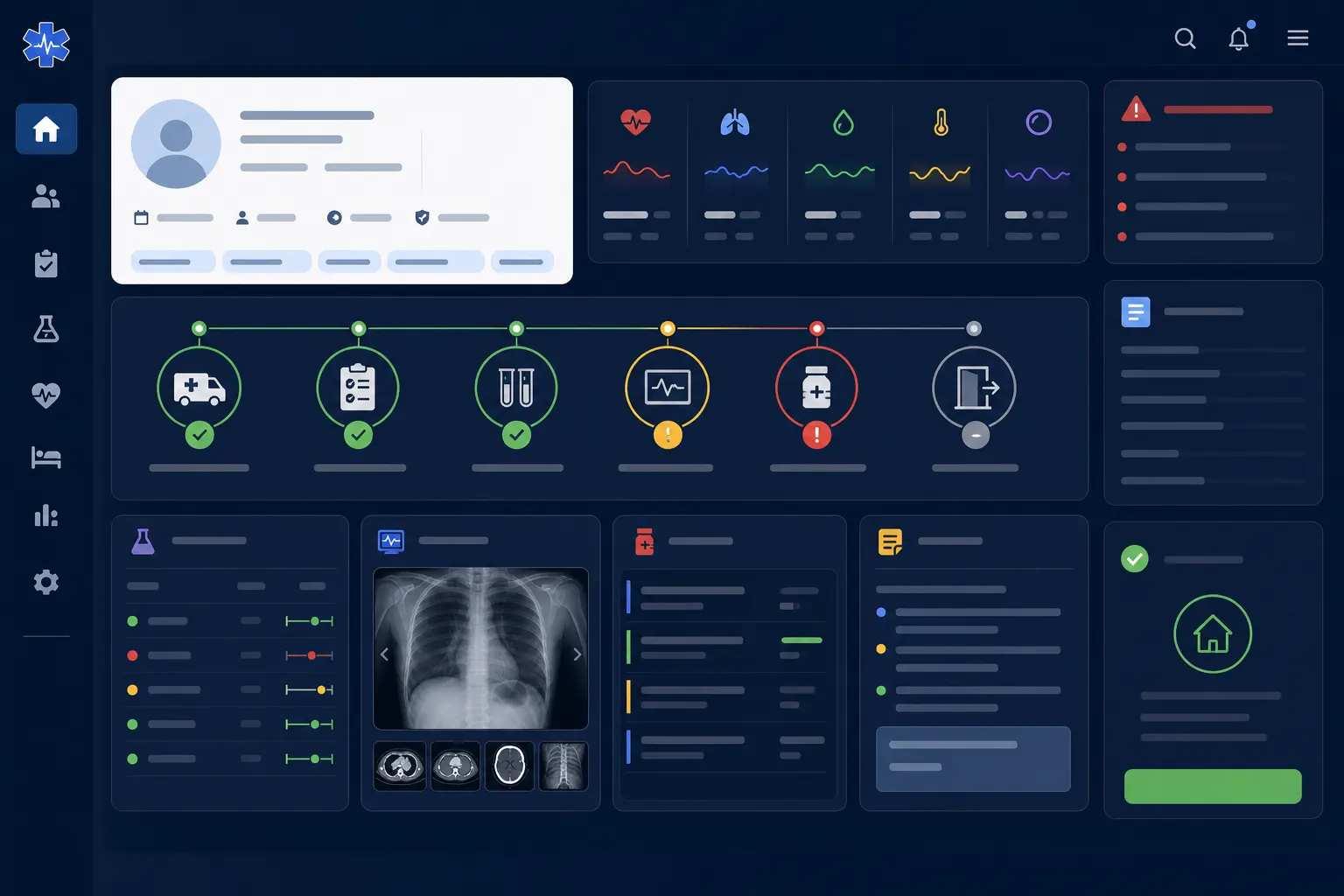
AI-Driven Patient Management in the Emergency Room
End-to-end AI management of the emergency room patient lifecycle—from pre-arrival alert to discharge—reduces handover errors, eliminates workflow gaps, and ensures every patient is tracked, scored, and escalated with algorithmic precision.
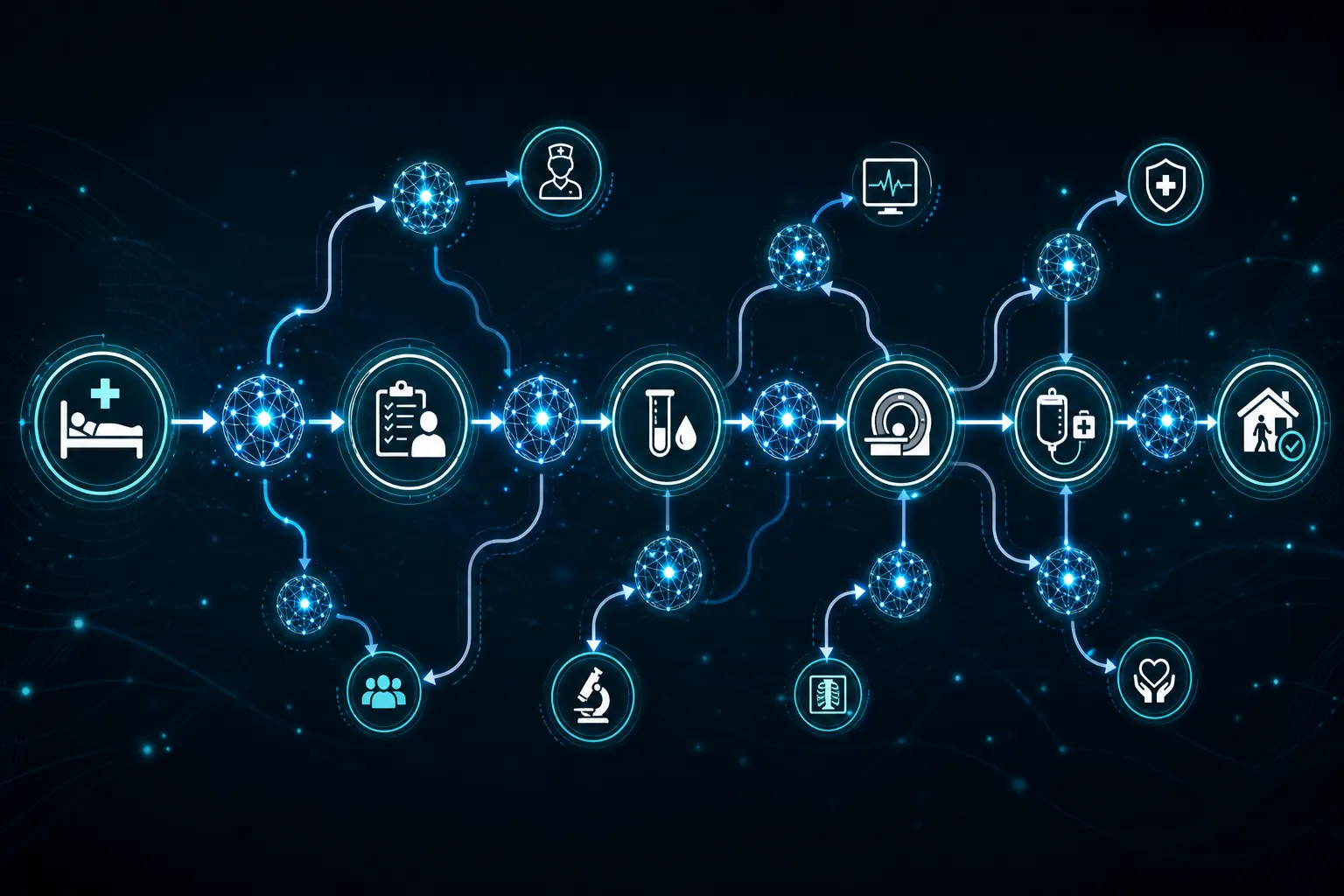
AI Clinical Process Orchestration in Acute Care
Clinical care pathways in acute settings involve dozens of sequential and parallel processes that must be coordinated across specialties, departments, and information systems. AI process orchestration automates workflow sequencing, eliminates handover gaps, and enforces evidence-based pathway adherence at scale.
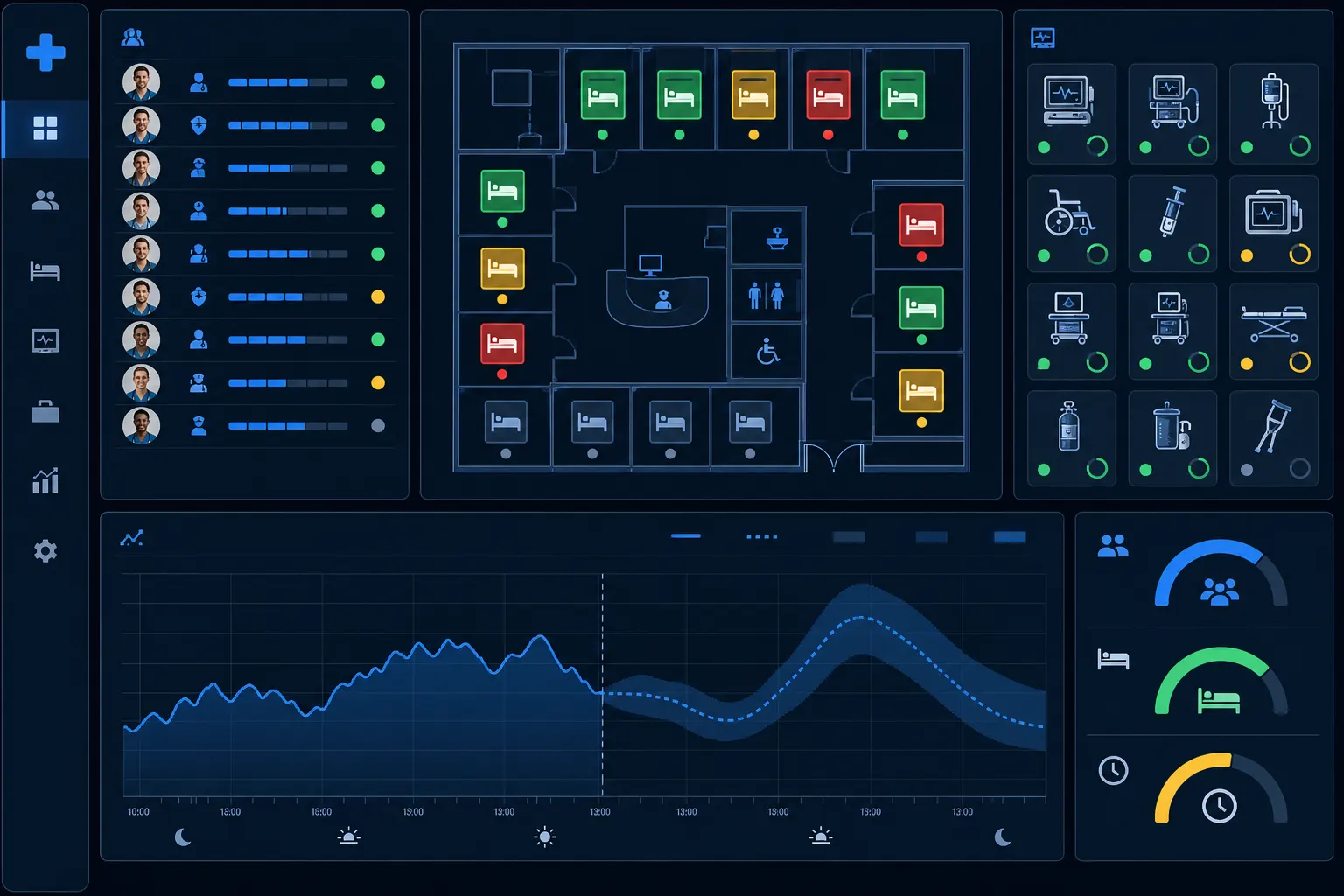
AI Resource Orchestration for Emergency Departments
Staff, beds, and equipment are the finite resources upon which emergency department throughput depends. AI orchestration systems that dynamically allocate and predict resource demand are transforming reactive staffing into evidence-driven workforce and capacity management.
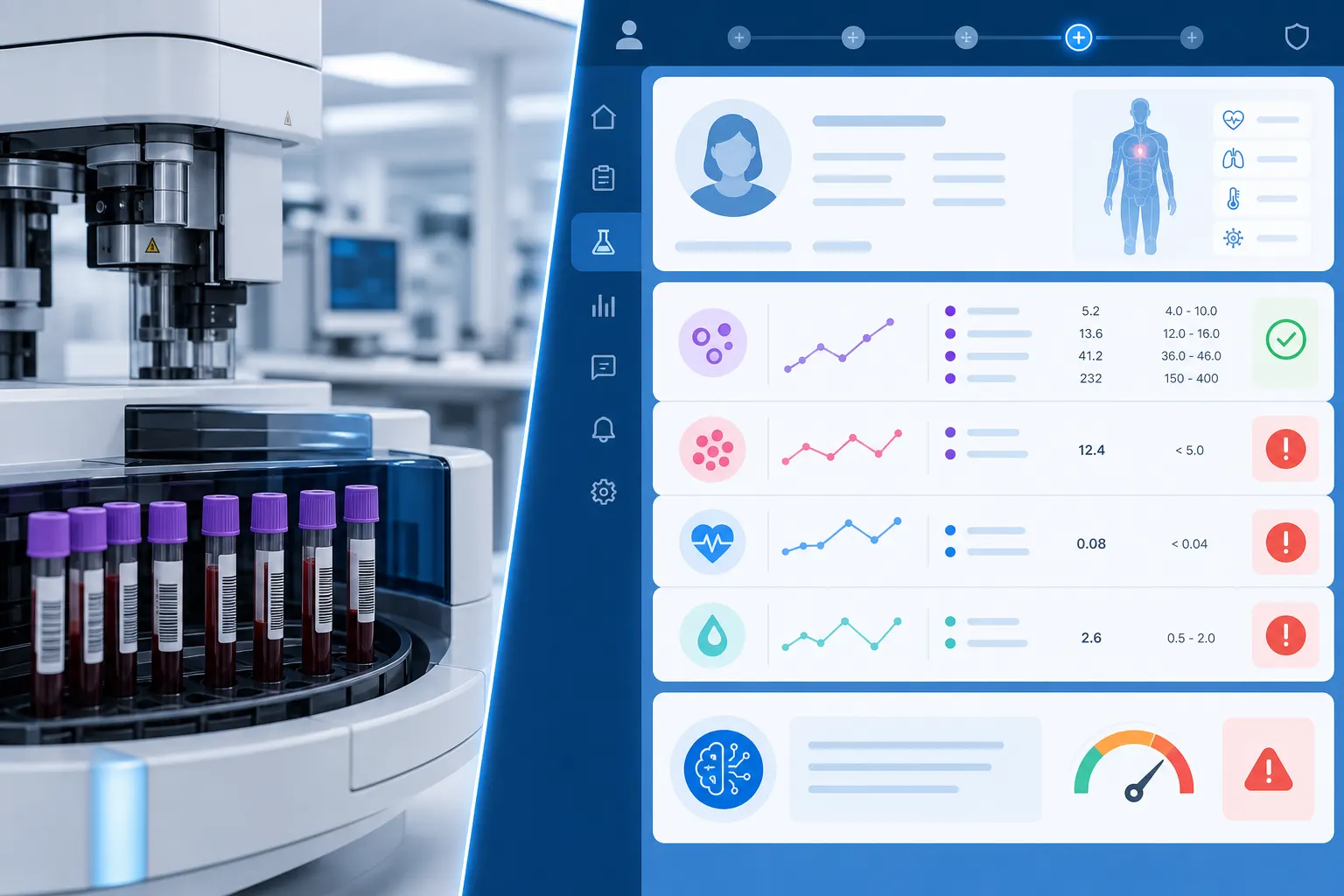
AI-Powered LIS Integration: Lab Results in Triage Context
Laboratory information systems hold time-critical diagnostic data that remains siloed from triage and clinical decision support in most hospitals. AI-powered LIS integration delivers automatically interpreted lab results directly into the triage workflow, transforming static reporting into dynamic clinical intelligence.
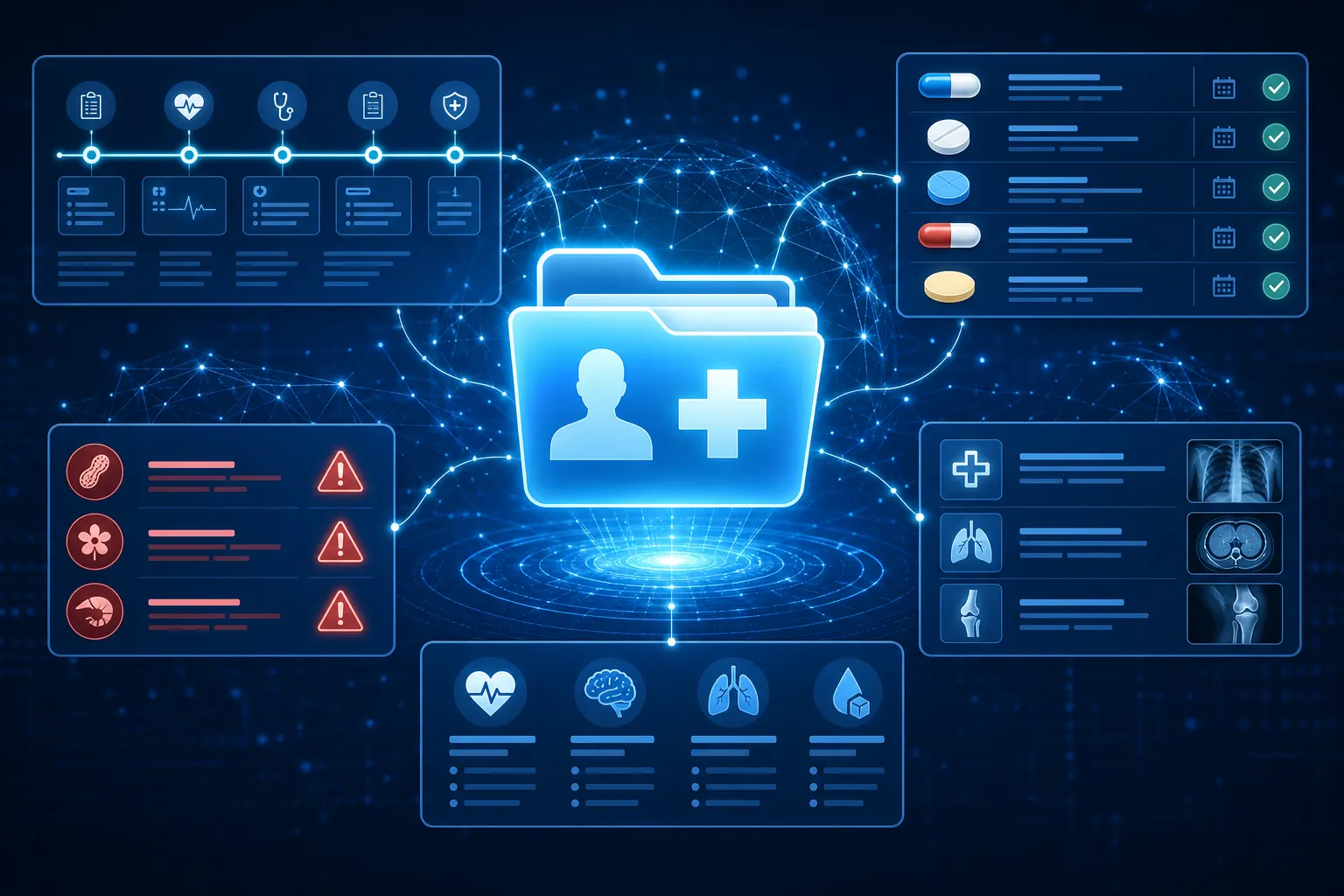
AI Medical Records: Patient History at the Point of Triage
The patient medical folder contains longitudinal clinical intelligence that radically changes the interpretation of an emergency presentation. AI-powered medical records systems synthesise the complete patient history into a triage-ready summary, ensuring no clinician works in the dark.
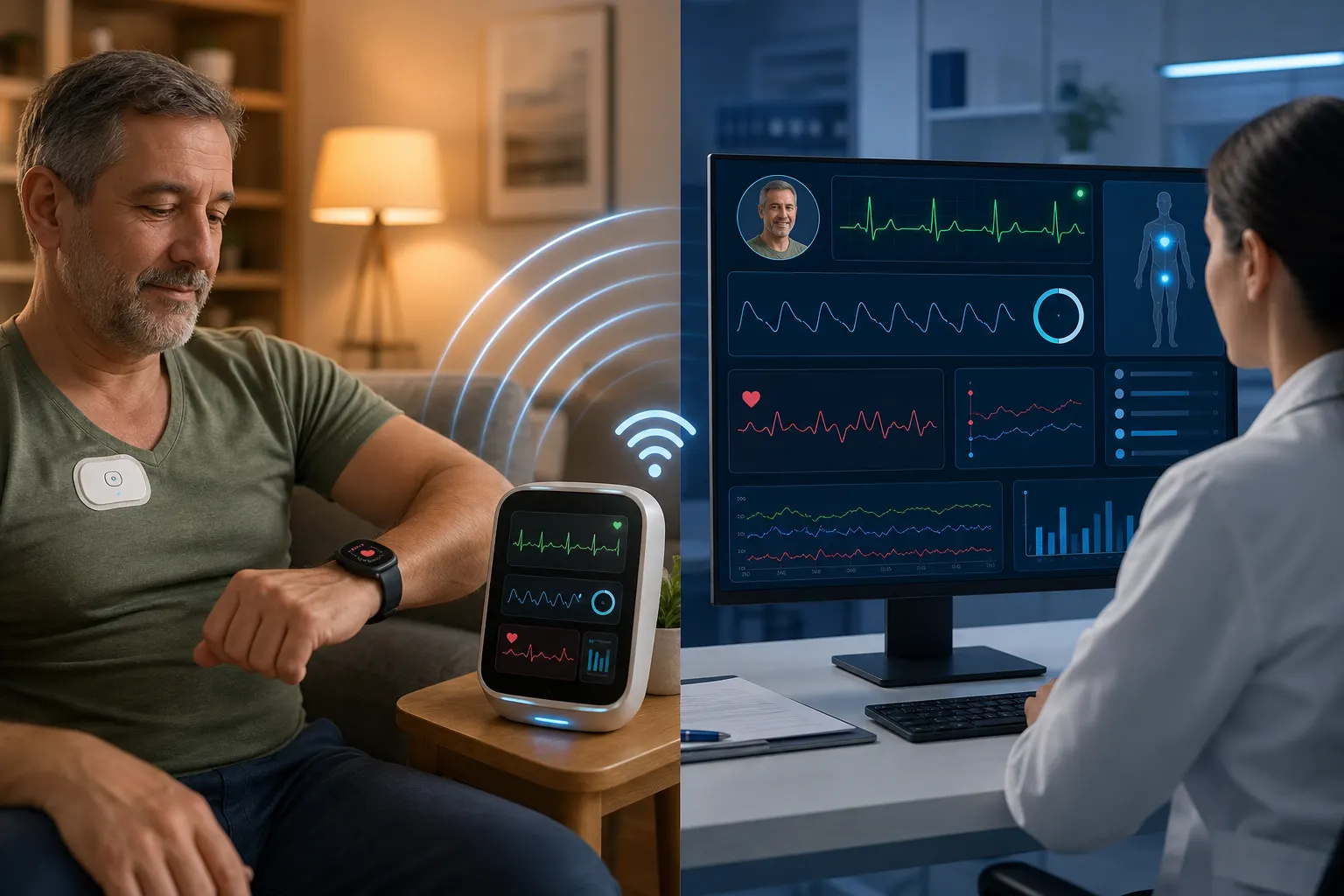
Remote Patient Monitoring: AI Intelligence at Home
Remote patient monitoring powered by AI and connected wearables transforms the home into a clinical observation environment. Continuous vital sign analysis at home identifies deterioration trends before they become emergencies, reducing unnecessary hospital presentations and enabling timely, targeted interventions.