


The Decentralization of Clinical Assessment The traditional model of healthcare delivery — centralized within hospital walls and predicated on physical proximity to clinicians — is undergoing a fundamental transformation. Advances in miniaturized sensor technology, edge computing, and artificial intelligence have collectively…
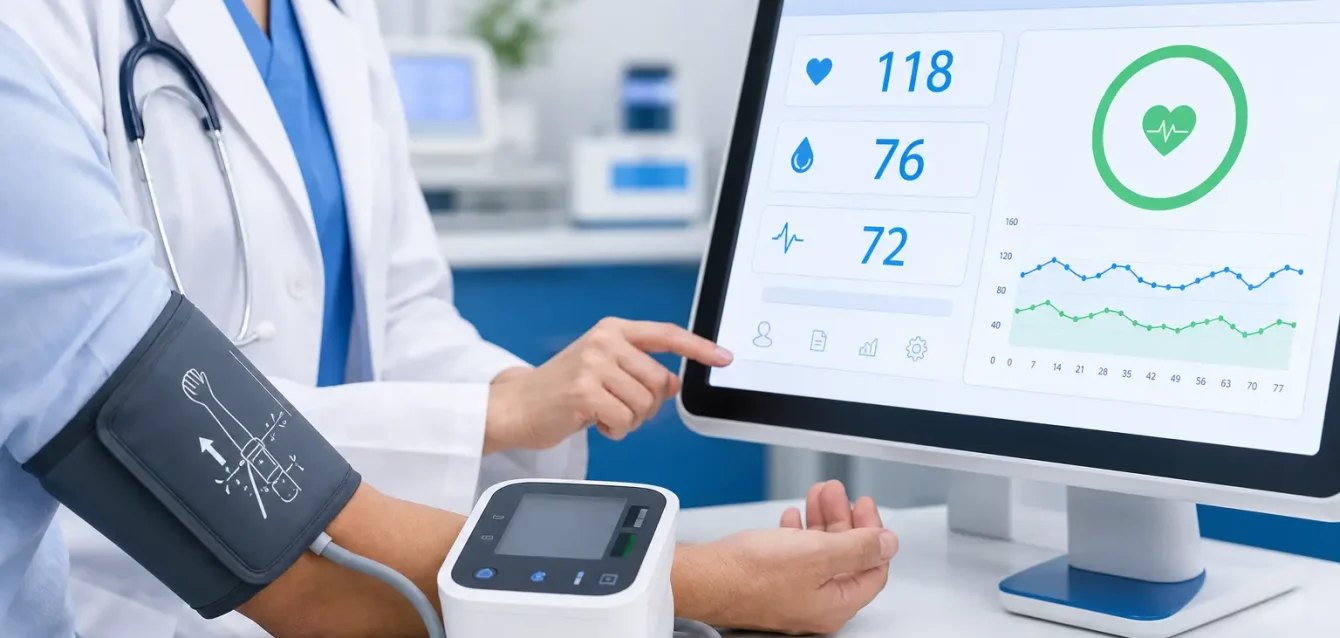
AI Blood Pressure Monitoring at the Point of Care
Hypertension: A Silent Epidemic Demanding Intelligent Surveillance Hypertension represents one of the most prevalent and consequential modifiable risk factors for cardiovascular disease globally, affecting approximately 1.28 billion adults according to World Health Organization estimates. Despite its clinical significance, hypertension is frequently…
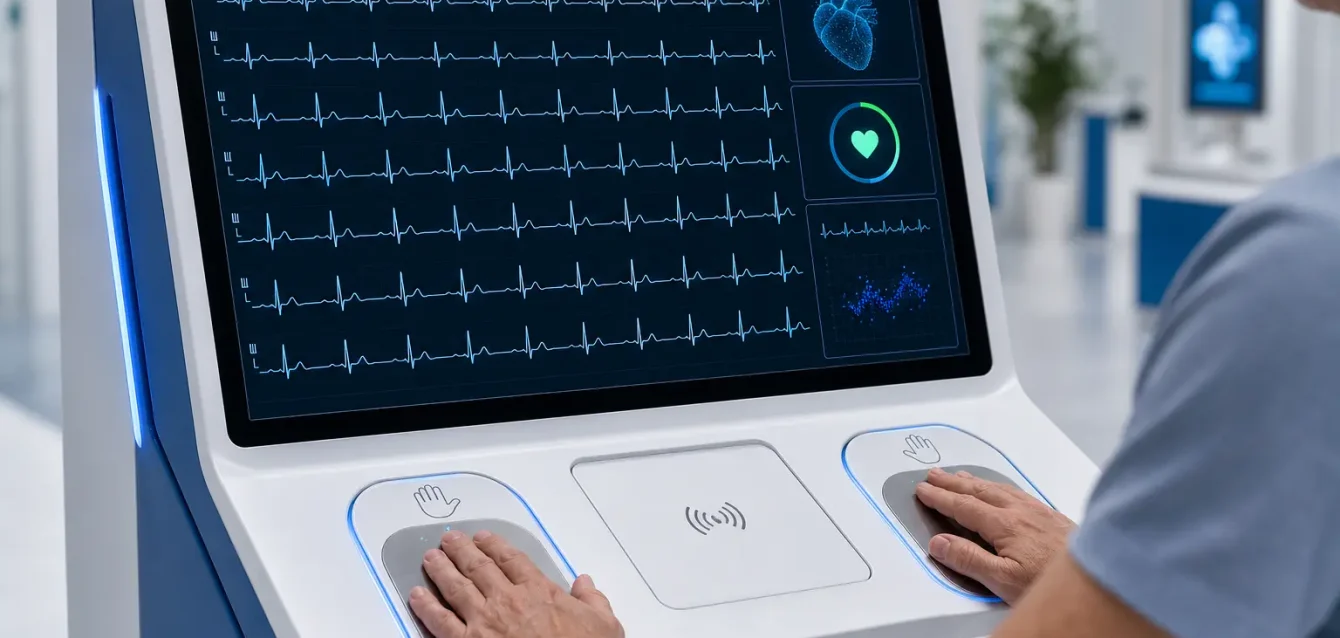
AI ECG at the Point of Care: Cardiac Intelligence Anywhere
The Electrocardiogram in Modern Diagnostic Medicine Since its clinical introduction by Willem Einthoven in the early twentieth century, the electrocardiogram has remained one of the most diagnostically versatile and widely utilized tools in medicine. Its capacity to reveal cardiac rhythm disturbances,…
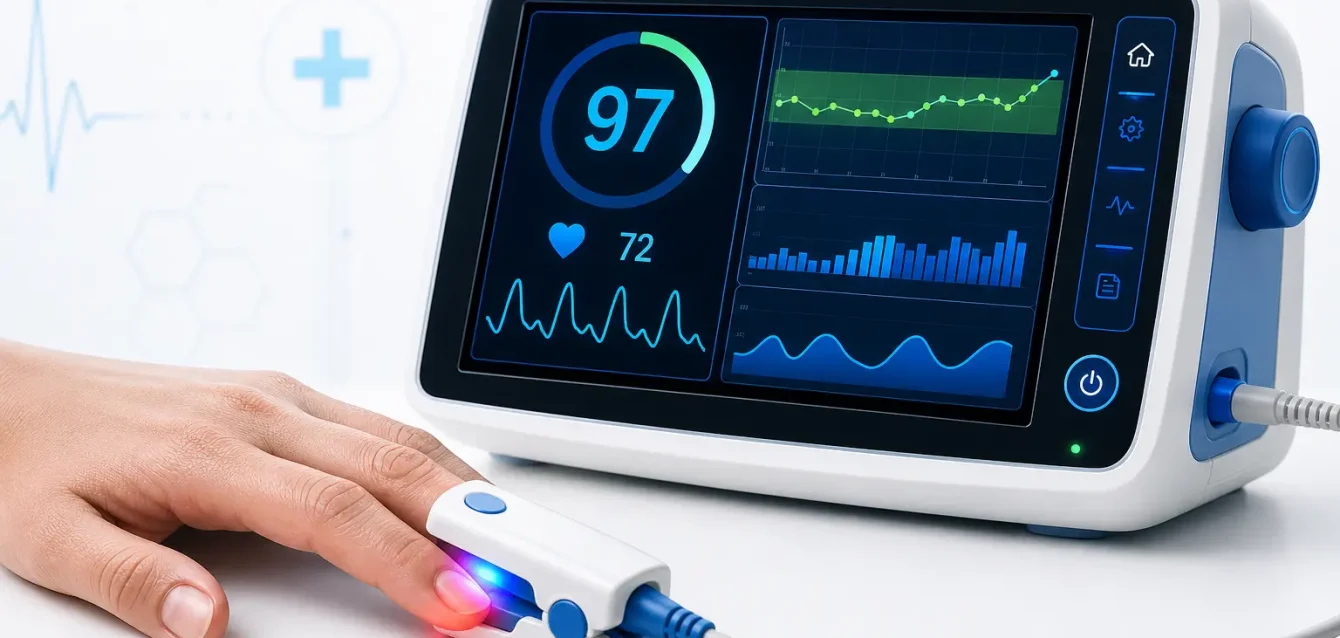
AI Pulse Oximetry: Respiratory Intelligence at Every Point of Care
Peripheral Oxygen Saturation as a Clinical Window Peripheral oxygen saturation (SpO2), measured non-invasively through pulse oximetry, provides a continuously available indicator of respiratory function that is among the most sensitive early warning parameters for cardiorespiratory deterioration. Unlike many clinical variables that…
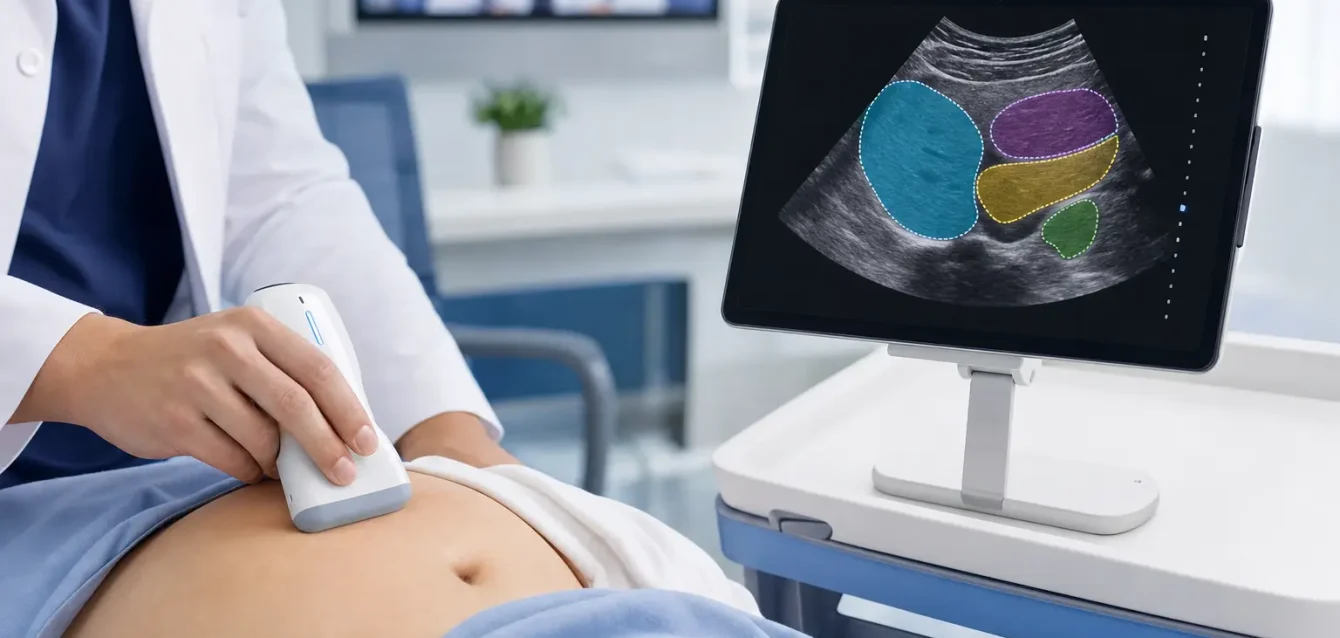
Point-of-Care AI Ultrasound: Imaging Intelligence Outside the Hospital
The Point-of-Care Ultrasound Revolution Point-of-care ultrasound (POCUS) has undergone a remarkable clinical adoption trajectory over the past two decades, transforming from a specialized diagnostic modality confined to radiology departments into a widely practiced bedside tool used across emergency medicine, critical care,…
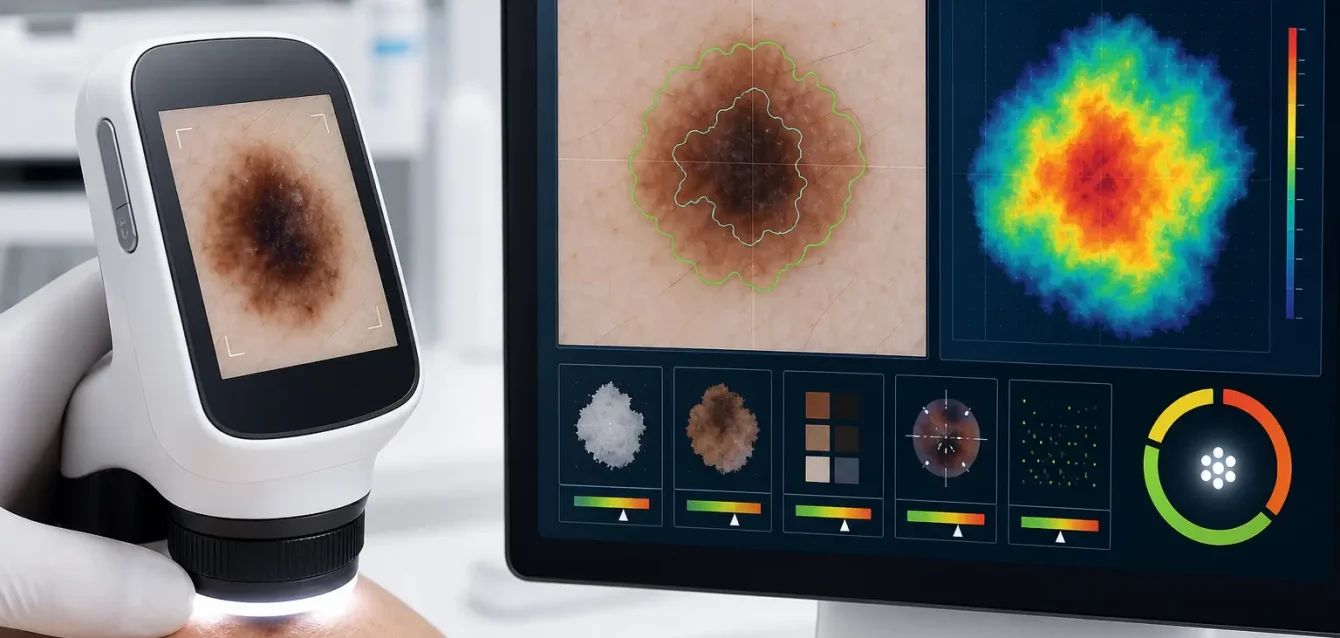
AI Dermatoscopy: Skin Intelligence at the Medical POI
The Burden of Skin Disease and the Access Gap Skin conditions collectively represent the fourth most common cause of non-fatal disease burden globally, with melanoma and non-melanoma skin cancers accounting for a substantial proportion of cancer diagnoses and dermatological emergencies. Despite…
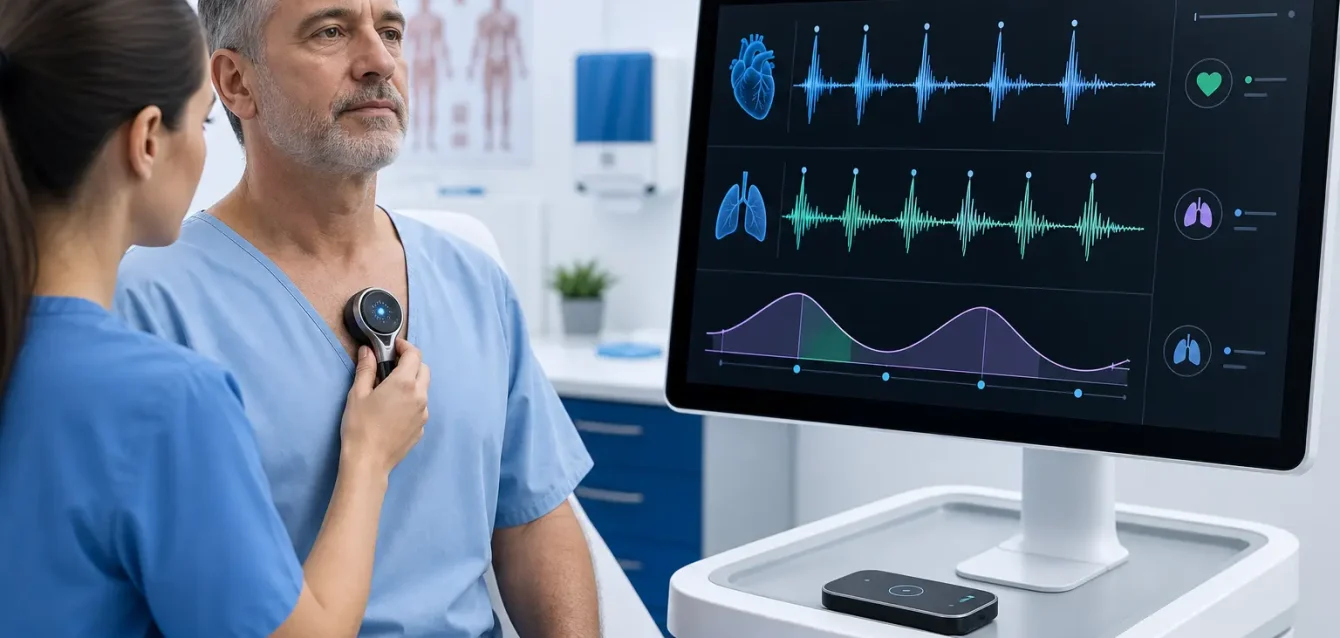
AI Digital Stethoscopy: Cardiac and Pulmonary Auscultation Reinvented
Auscultation in the Age of Artificial Intelligence Clinical auscultation — the assessment of body sounds using a stethoscope — has been a cornerstone of physical examination for over two centuries. Despite its long history, conventional auscultation is subject to significant inter-observer…
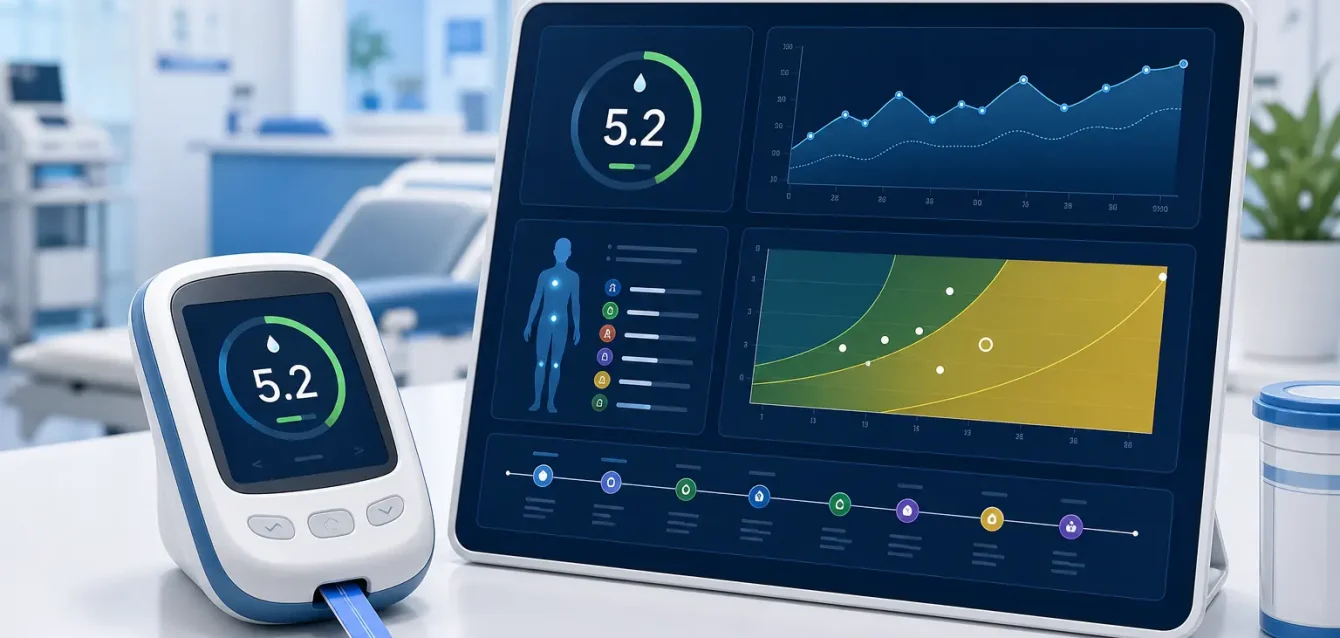
AI Blood Glucose Monitoring: Metabolic Intelligence Beyond the Clinic
The Global Diabetes Challenge and Monitoring Gaps Diabetes mellitus, in its various forms, affects approximately 537 million adults globally and is projected to affect 783 million by 2045, according to International Diabetes Federation estimates. The effective management of diabetes depends critically…
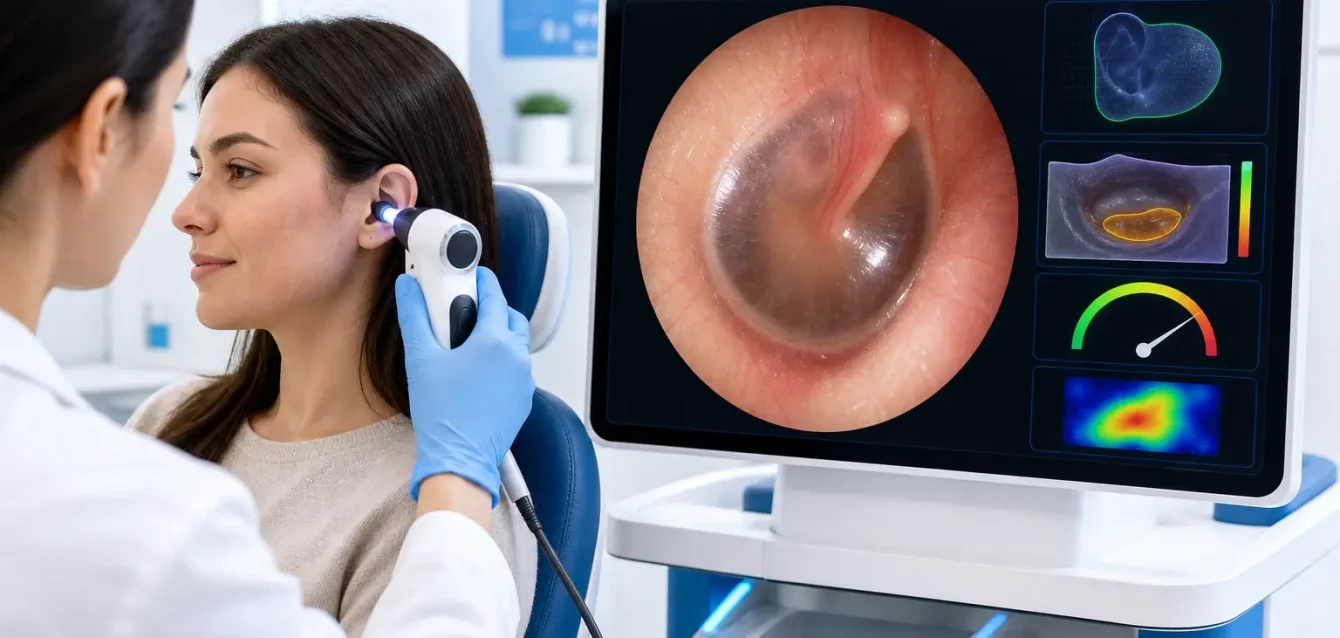
AI Otoscopy: Intelligent Ear Examination at the Point of Care
Ear Disease: Prevalence, Impact, and Diagnostic Barriers Otitis media represents one of the most common diagnoses in pediatric primary care globally, accounting for a substantial proportion of antibiotic prescriptions in children and constituting a leading cause of hearing impairment in low-…
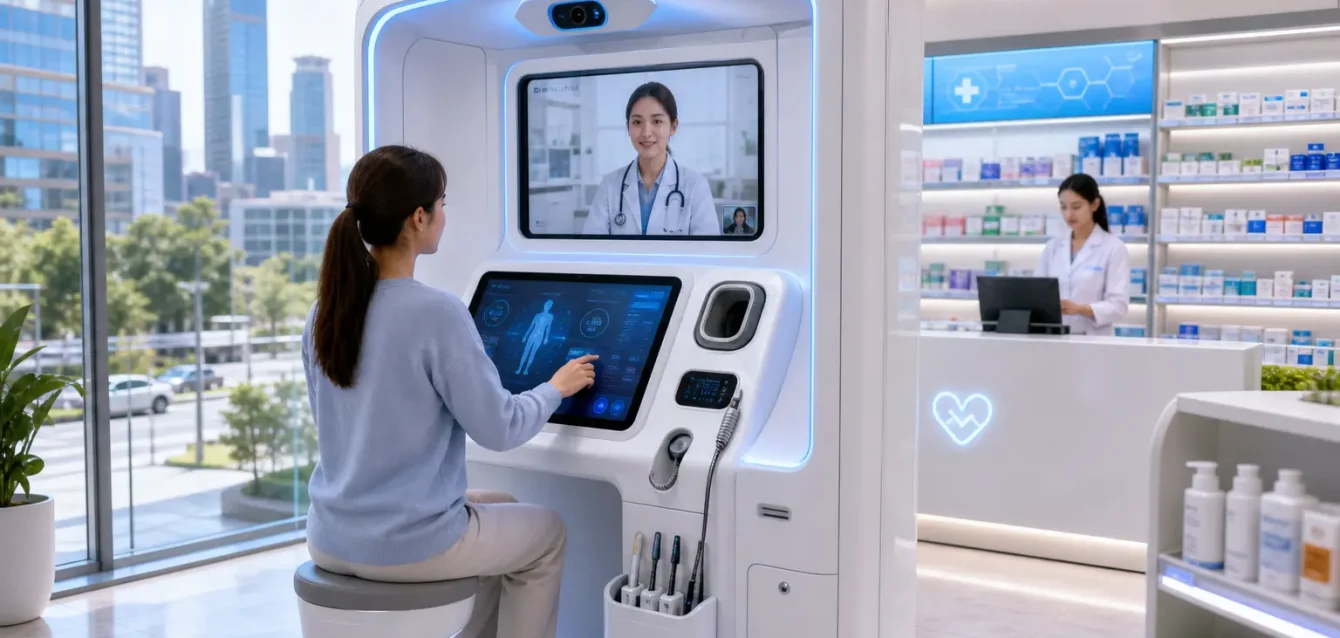
AI Healthcare Kiosks in Smart Cities and Pharmacies
The Smart City and the Healthcare Access Imperative The concept of the smart city — an urban environment in which digital infrastructure, sensor networks, and data analytics are deployed to optimize the quality of city services and the wellbeing of residents…