

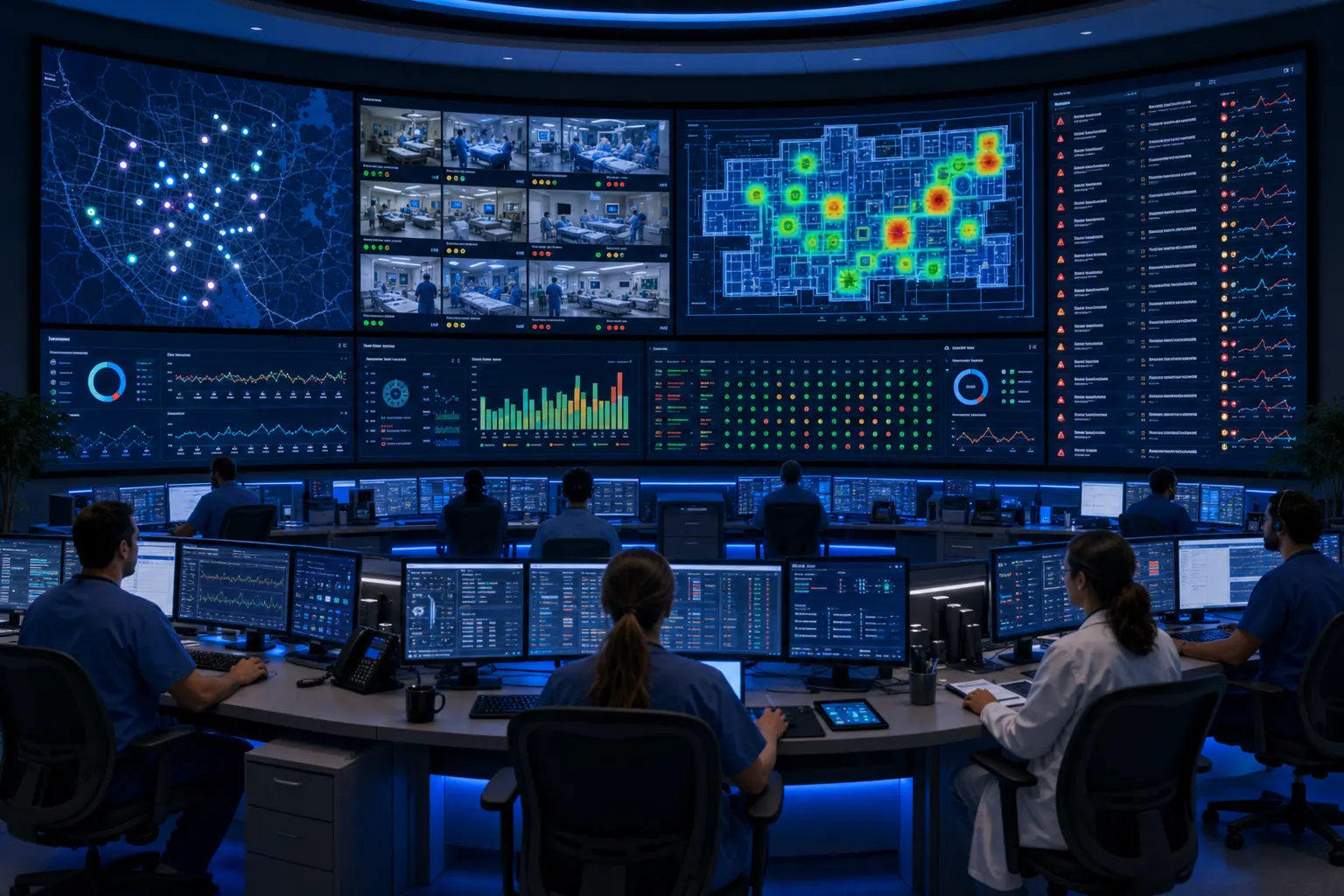
AI-powered hospital command centers consolidate real-time operational intelligence across all clinical departments, enabling proactive decision-making that reduces bottlenecks, improves patient safety, and optimises resource utilisation at a system level.
AI and Patient Safety: Reducing Diagnostic Errors in Emergency Care
Diagnostic error accounts for an estimated 40,000–80,000 preventable deaths annually in the United States alone. AI systems designed as cognitive safety nets—systematically reviewing clinical data for missed diagnoses and inconsistencies—are demonstrating measurable reductions in diagnostic error rates in emergency care settings.
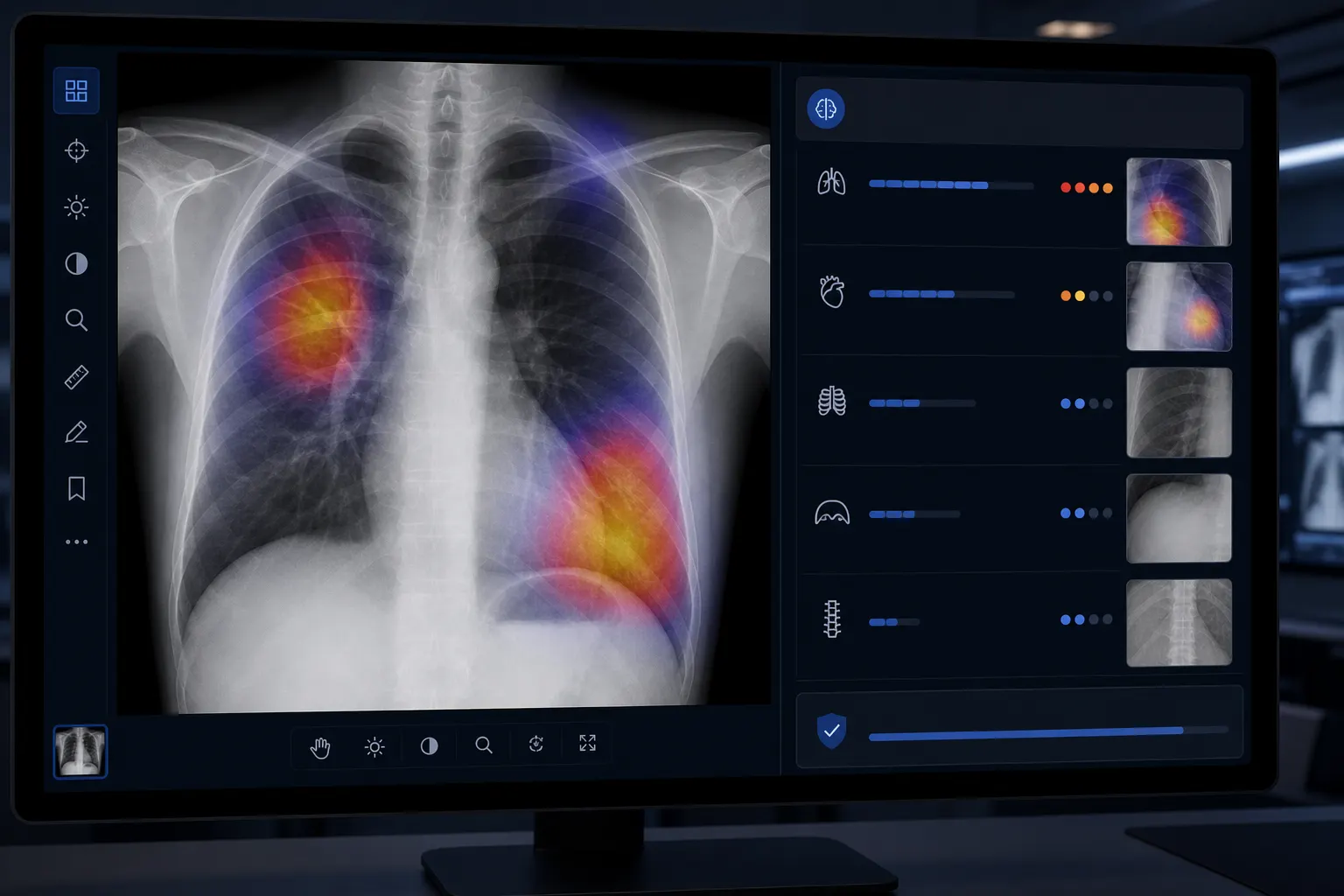
Computer Vision in Emergency Department Diagnostics
Computer vision algorithms trained on millions of medical images are achieving radiologist-level accuracy in emergency diagnostic imaging interpretation. From pneumothorax detection to intracranial haemorrhage flagging, AI imaging tools are compressing the critical time from scan acquisition to clinical action.
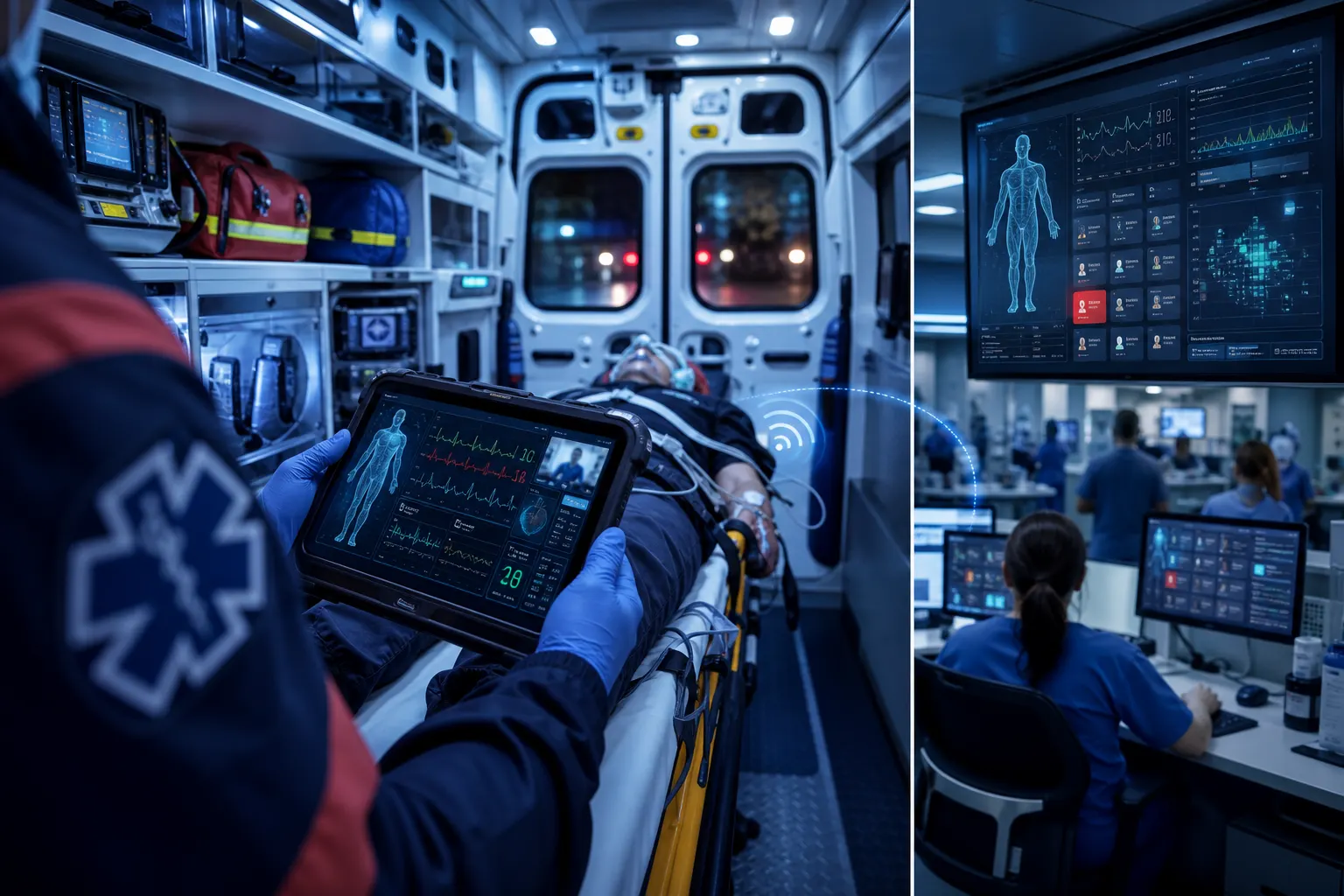
Prehospital AI: Clinical Intelligence Before Hospital Arrival
The prehospital phase of emergency care is an underutilised window for AI-driven clinical intelligence. Smart ambulance systems that transmit real-time patient data to hospital AI triage platforms are enabling hospital teams to prepare optimal care pathways before patient arrival.
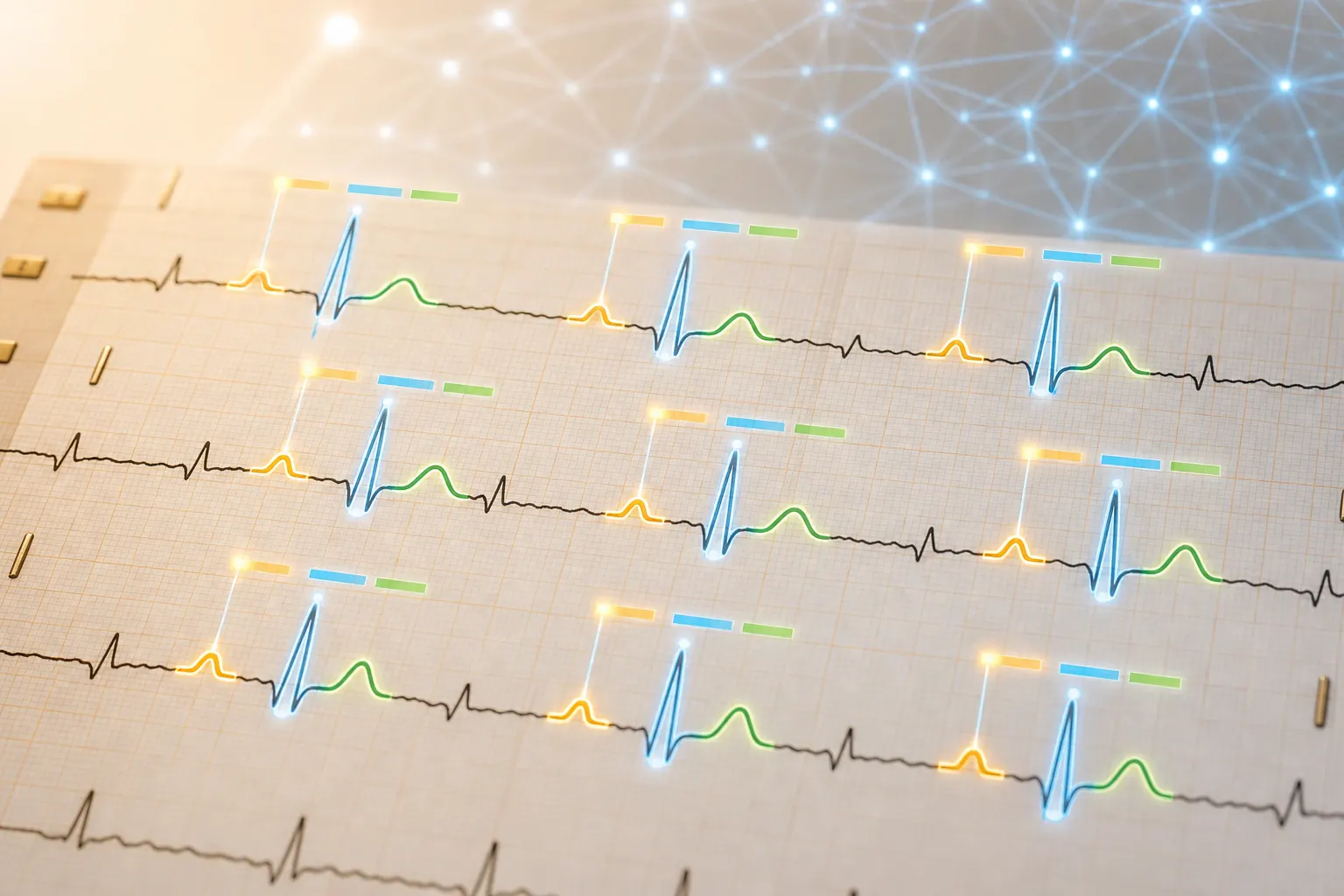
Deep Learning for ECG Interpretation in Emergency Care
Convolutional and transformer-based neural networks trained on millions of ECG recordings now match or exceed cardiologist accuracy for arrhythmia detection and STEMI identification. In the emergency setting, these tools are dramatically compressing the time from ECG acquisition to treatment initiation.
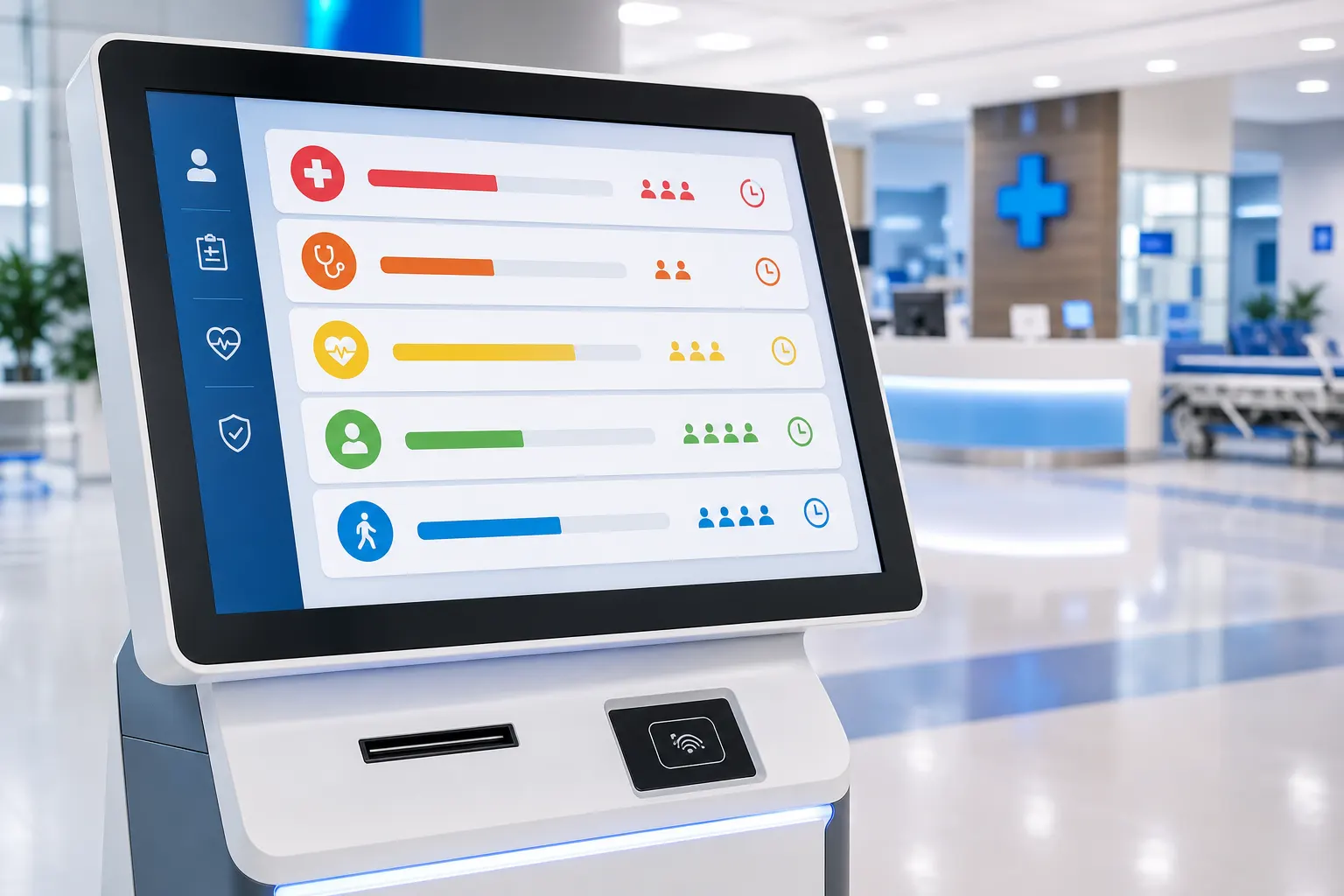
Smart Triage: AI Solutions for Reducing ED Wait Times
Prolonged ED wait times are a measurable patient safety risk and a primary driver of patient dissatisfaction. AI-powered smart triage tools that dynamically stream patients, predict disposition, and optimise care pathways are demonstrating wait time reductions of up to 35% in prospective studies.
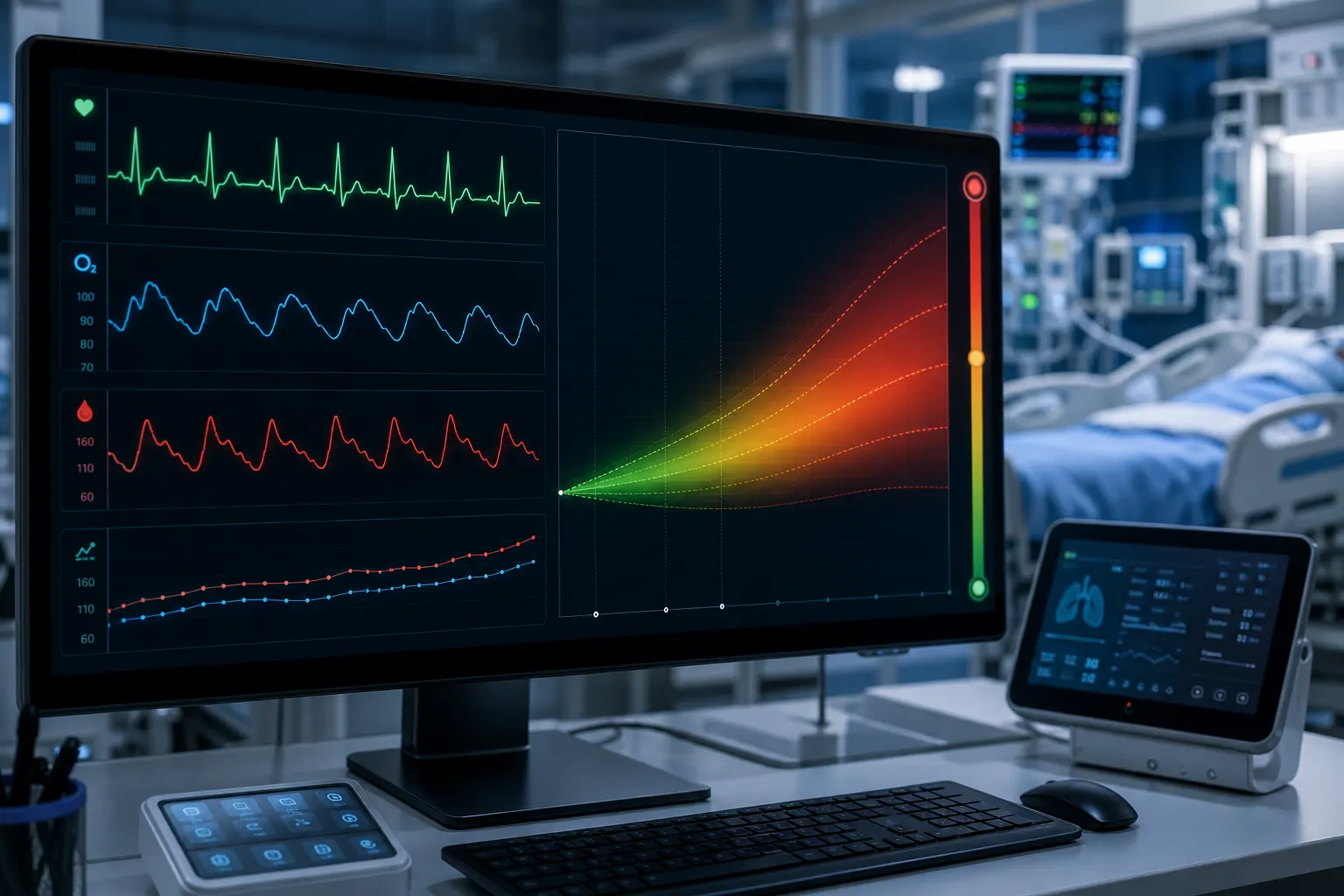
AI Early Warning Systems: Detecting Patient Deterioration
Silent clinical deterioration—the gradual worsening of a patient’s condition in the hours before a critical event—is preventable with AI-augmented early warning systems. This article examines machine learning approaches that significantly outperform conventional NEWS2 scoring.
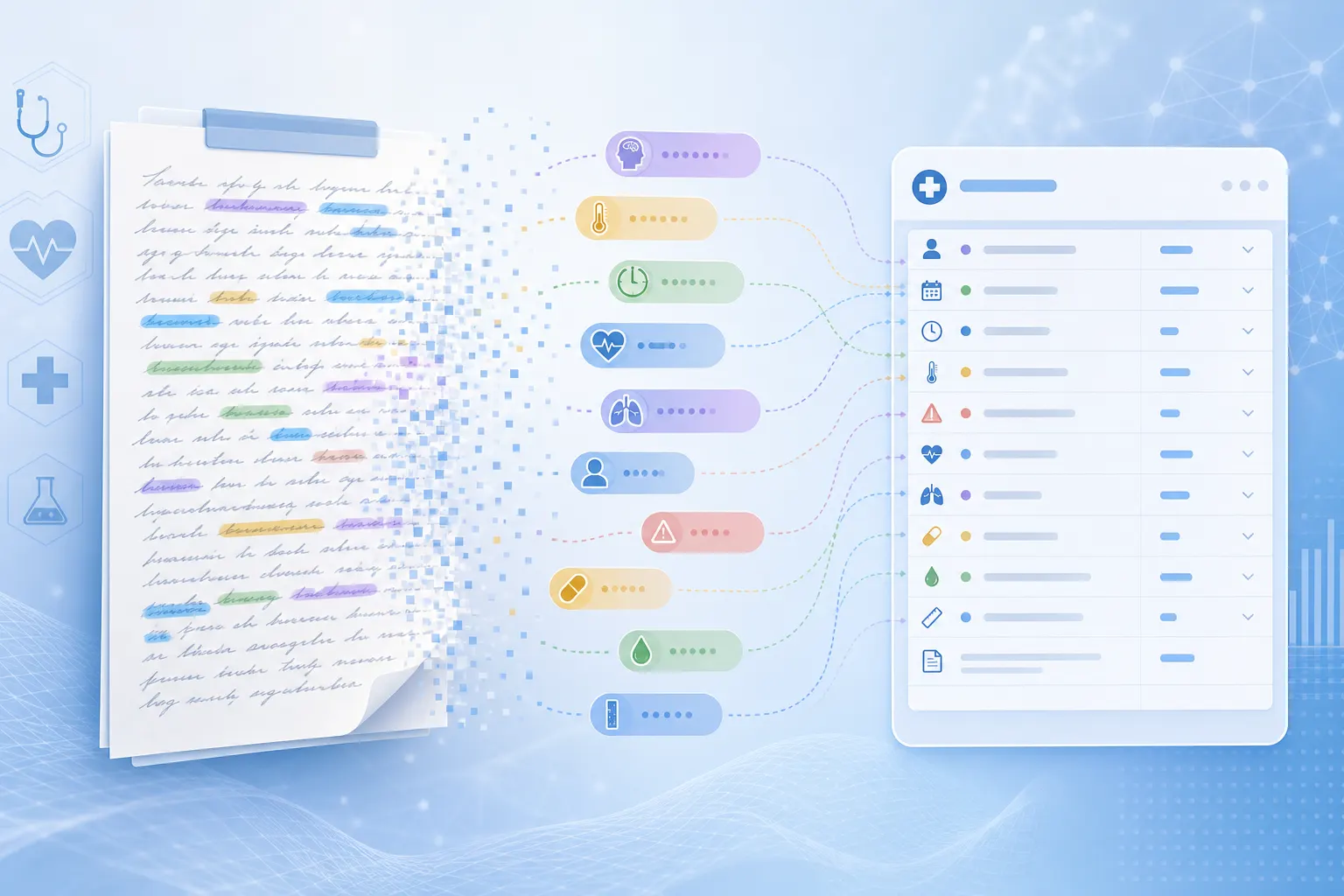
Natural Language Processing in Emergency Medicine Triage
Chief complaints and nurse documentation contain rich clinical information that traditional triage systems cannot exploit. NLP pipelines trained on clinical corpora extract actionable entities from unstructured text, improving triage sensitivity and supporting AI-powered decision support.
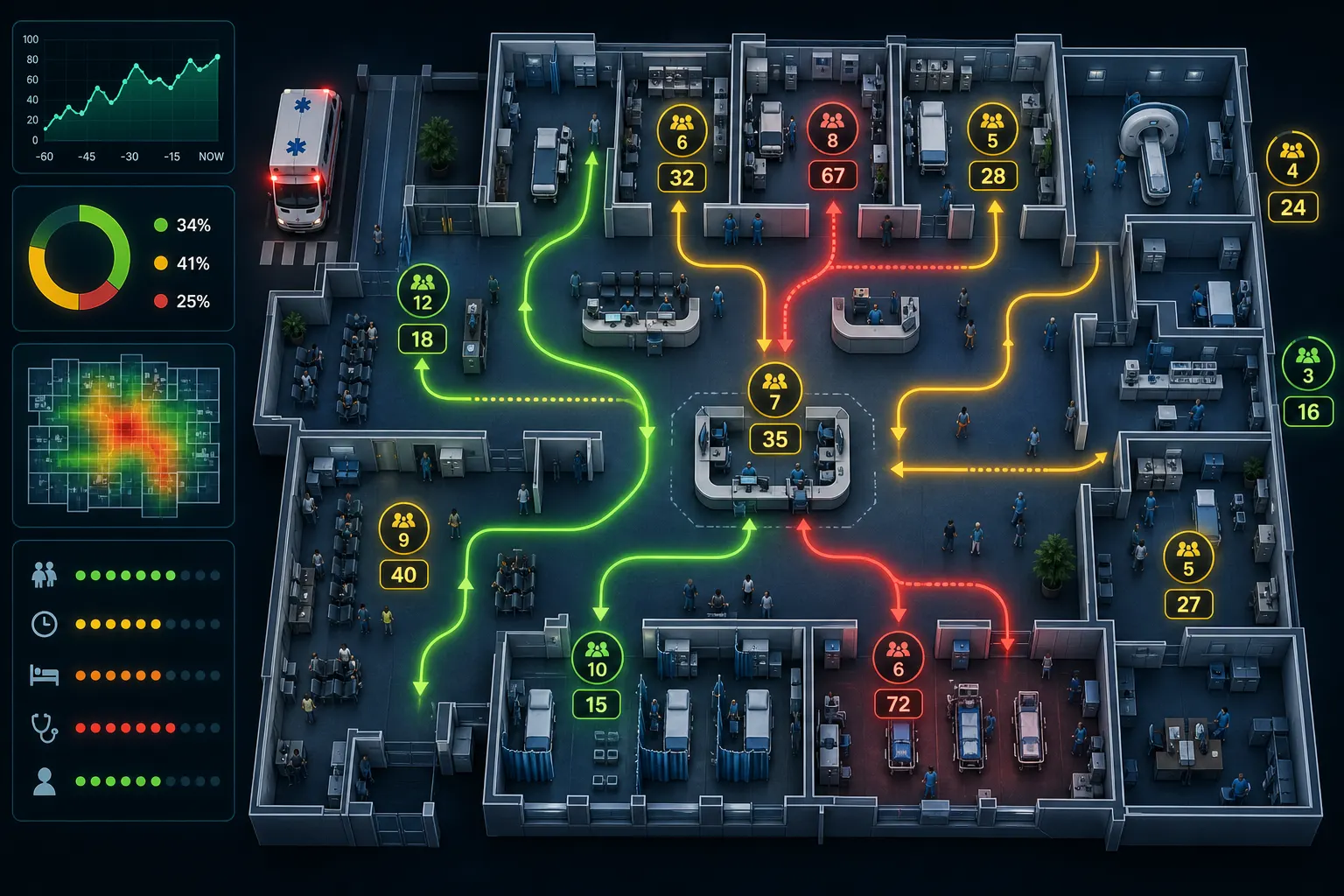
Predictive AI for Emergency Department Overcrowding
Emergency department overcrowding is a patient safety crisis. Machine learning models that predict patient volume, length of stay, and bed demand hours in advance enable proactive capacity management and measurable improvements in throughput.
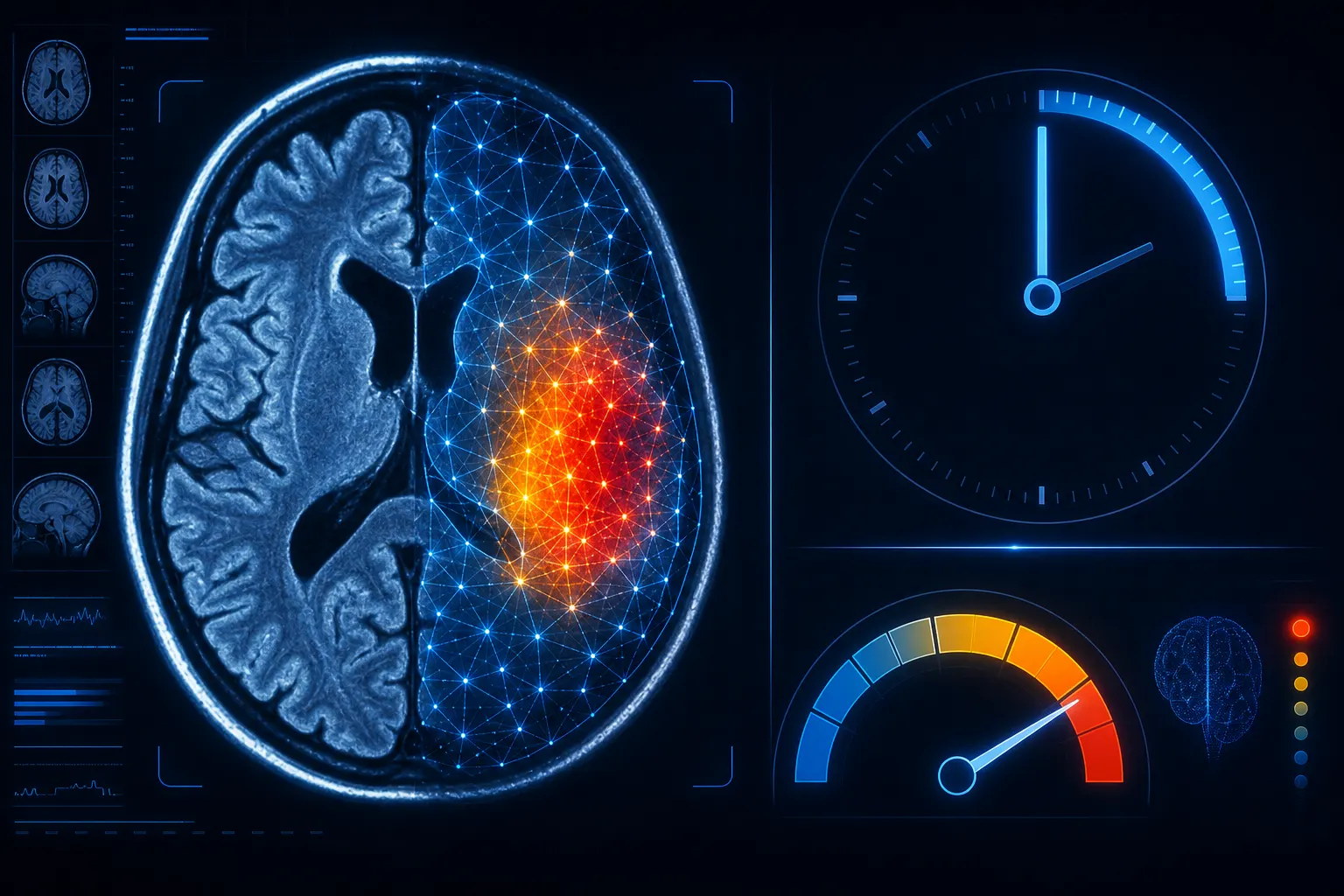
AI Stroke Triage: Time-Critical Decision Support
Acute ischemic stroke treatment is profoundly time-dependent. AI-powered triage tools that identify stroke symptoms early and optimise imaging workflows are demonstrably reducing door-to-needle and door-to-groin times across hospital networks.